This is a serious water stain on the ceiling. The damage could be worse, but it is never too early to act fast. Here’s how you can get rid of this problem now before it becomes more expensive and difficult later on down the line.
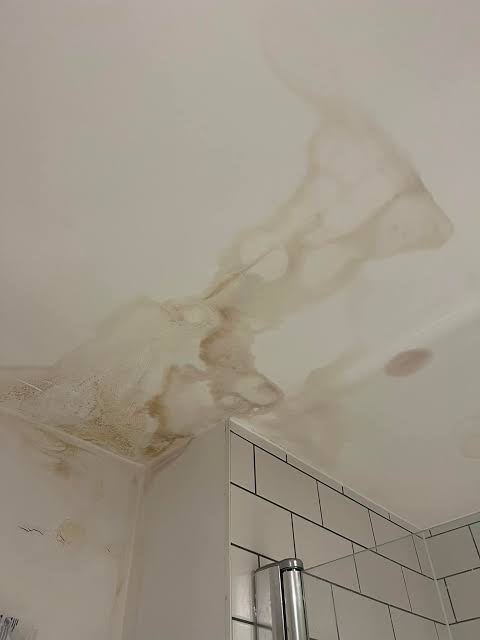
The “water stain on ceiling but no leak” is a serious issue that could leave your family in danger. It’s important to take action as soon as possible.
If you detect a water stain on your ceiling, your immediate reaction can be irritation. It’s unattractive and seems to appear out of nowhere. What are you going to do about it? Maybe it’ll go gone as soon as it dries.
We wish to emphasize the seriousness of ceiling water stains. You must never overlook them. And you shouldn’t concentrate on how to conceal the stain since the source of the stain may persist, and the water damage may be enough to undermine the flooring—something that a little plaster won’t repair. You don’t want to forget about the stain only to have a section of the ceiling collapse in months later, perhaps taking down the room above it!
Where Did the Water Stain Come From?
You may be able to see the cause of the stain right away, such as one near the house’s roof after a lengthy period of rain. The roof will need to be repaired to seal it, and the water damage will need to be remedied.
However, similar stains might appear in other areas of the home, indicating faulty plumbing. The majority of the time, these stains emerge on the ceiling of a first-floor room under an upstairs bathroom. Bathrooms, more than any other room in the home, contain a large concentration of plumbing lines and appliances, therefore leaks coming through the ceiling are most likely from the bathroom plumbing.
Bathroom plumbing leaks may occur from a variety of places; it doesn’t always have to be a burst pipe dripping enormous volumes of water over the walls. The caulking around the shower or tub is one of the most insidious and long-term leaks in a bathroom. Water will flow around the edges and down into the walls and floor if the caulking begins to dry and fracture (which may happen after 10 years). It may take months before you notice the consequences, and by that time, major mold and mildew issues may have developed.
The shower pan, which is the watertight barrier made of lead or vinyl that sits under the bottom of your shower or bathtub, is another cause of leaks. Its purpose is to collect water that may escape via cracks or grouting and direct it to the drain. Early degradation of a vinyl shower pan might enable water to soak through.
Finally, there are normal pipe leaks, which may occur due to corrosion or deterioration at the joints. Even copper pipes may corrode, and even little pinhole breaches are enough to enable water to accumulate until it causes visible ceiling stains.
The brief version is as follows: When you see a water stain on the ceiling, you have no idea how long the issue has been there. However, it indicates that there is a pressing issue that must be handled.
If you have brown water stains on your ceiling, it could be the sign that there’s a leak in your pipes.
Frequently Asked Questions
What should I do if I find a water stain on my ceiling?
A: If you have spotted a large water stain on your ceiling, the first thing to do is make sure that there are no electrical outlets or faucets in the area. Next, stop any running water from this location and see if it has stopped by itself. If not, call for help immediately!
When should I worry about a water damaged ceiling?
A: If water has seeped into your ceiling, it is best to contact a professional. In order for you to identify exactly what the issue will be with your ceiling, theyll need access to take measurements and see if there are any leaks or mold growing in the area.
Related Tags
- brown water stain on ceiling
- condensation stains on ceiling
- what causes water stains on ceiling
- how to remove water stain from ceiling without painting
- signs of water damage on ceiling